When customers search for a push button start kit, smart start system, or keyless entry and engine start upgrade, they usually focus on installation, compatibility, and daily convenience. But there is another part of the experience that matters just as much: how the product is prepared before it ever reaches the installer.
For us, shipping is not the last step. It is the final quality checkpoint. A smart start system has to arrive complete, clean, protected, and ready for real-world installation. That means the control module, remotes, retail box, carton packing, and outbound labeling all need to be handled with the same care as the product design itself.
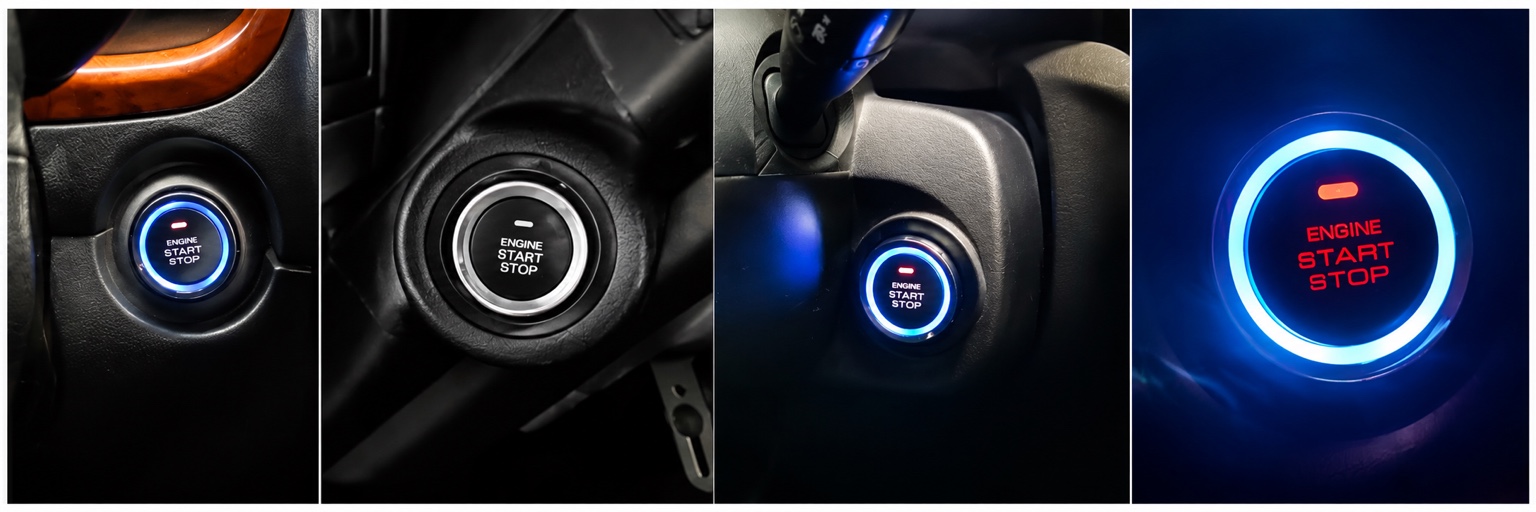
What We Are Shipping
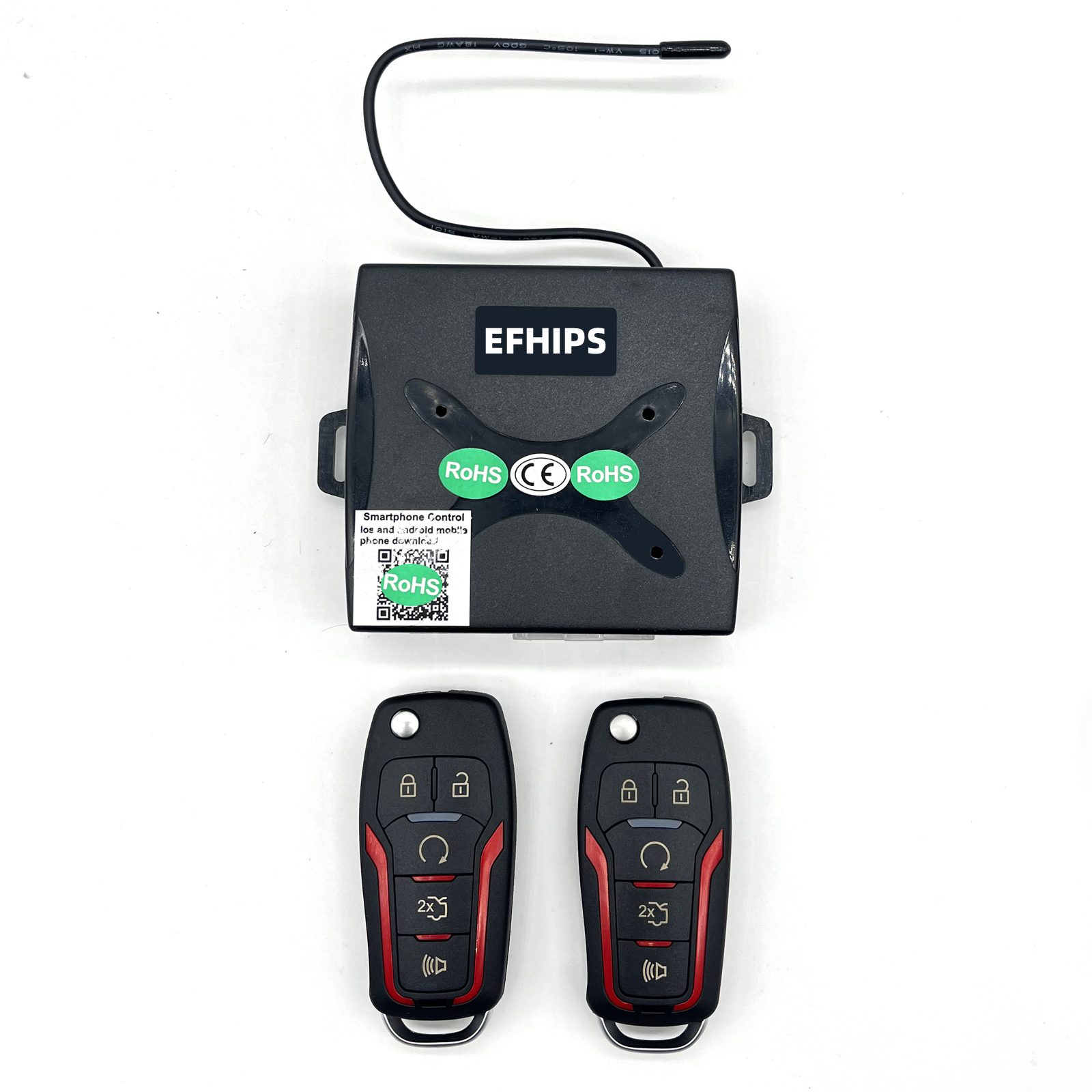
Every shipment starts with the product itself. In this case, the EFHIPS smart start system includes the main control unit and a pair of remotes, built for customers who want to upgrade an older vehicle with a more modern starting routine.
That means our outbound process is not just about moving boxes. It is about protecting a complete car alarm / keyless entry / start system so it reaches the customer in working condition and in a presentation that feels organized and professional.
Step 1: Product Check Before Boxing
Before units are stacked for outbound orders, we first confirm that the visible product components are correct. The main box, module, and accessories need to match the intended model and presentation. This is especially important for a universal smart start system, because customers often buy based on photos, feature expectations, and packaging details.
- Main control module matches the intended product version
- Remotes are paired as a complete set
- Retail packaging is clean and consistent
- Units are organized for efficient counting and outbound handling
Step 2: Retail Box Preparation
Once the product is confirmed, the next stage is retail-box readiness. For smart start systems, the individual package has to do two jobs at once: protect the product and make it easy to sort, count, and move in larger shipment batches.
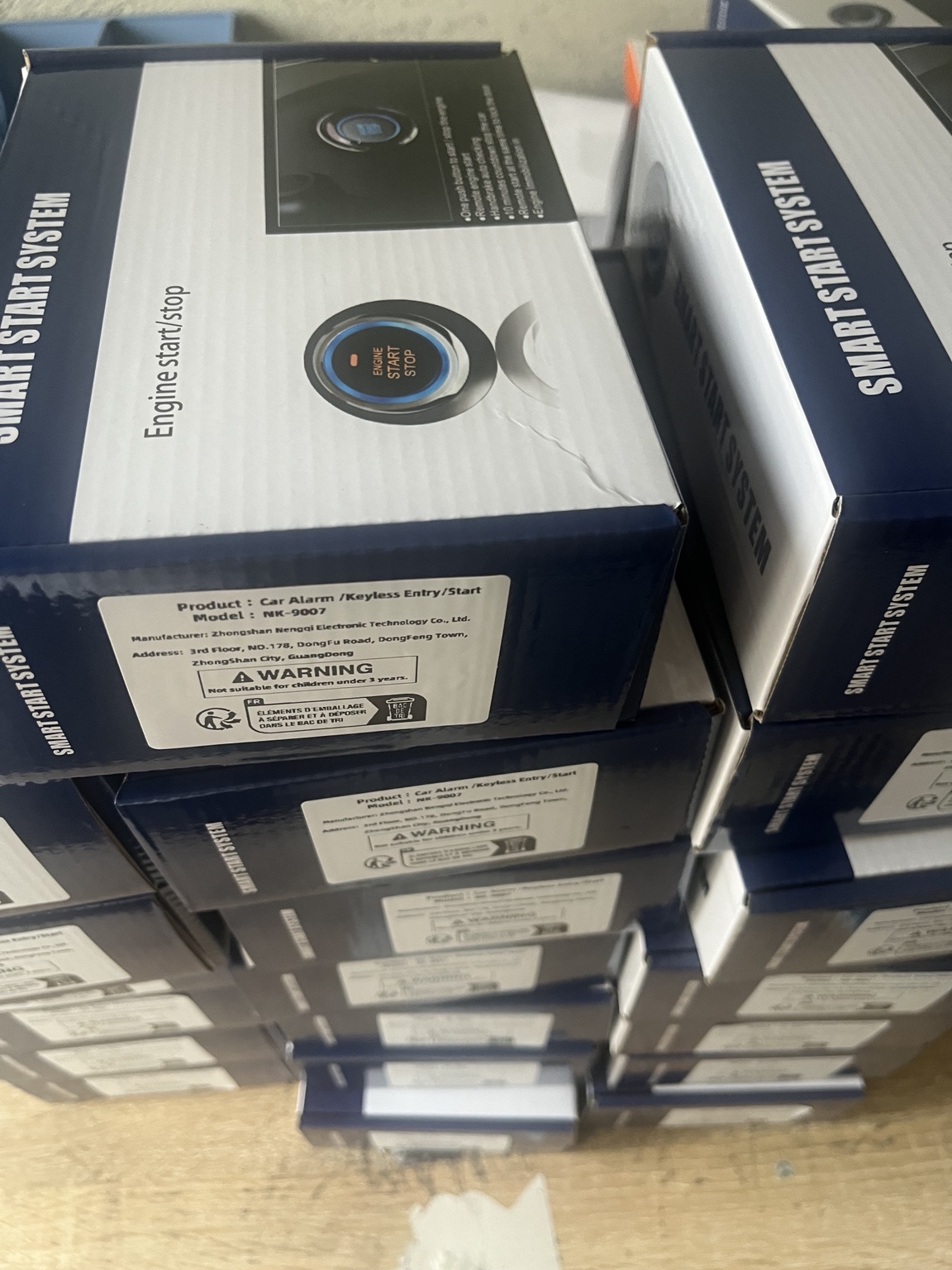
The photos below show units already packed in their individual boxes and grouped together for order preparation. This is the stage where the outbound workflow becomes visual: you can clearly see inventory turning into a ready-to-ship batch.
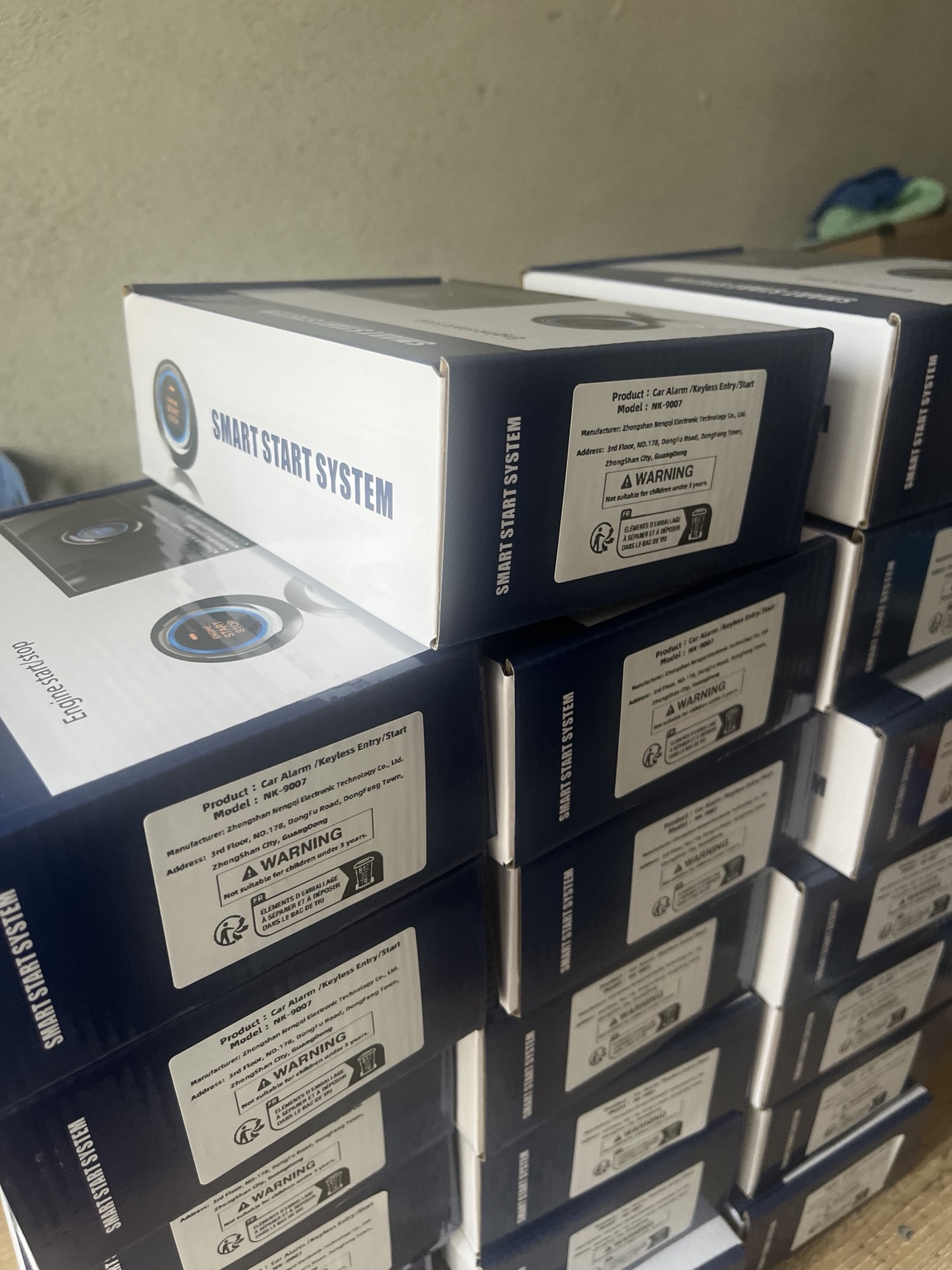
At this point, consistency matters. If box orientation, labels, or packing flow are messy, mistakes become more likely during larger outbound runs. Organized box stacking helps speed up counting, carton filling, and shipment verification.
Step 3: Batch Organization for Outbound Orders
Once individual units are boxed, the next job is organizing them into shipment groups. This is one of the most practical parts of the process. It is where the operation shifts from product handling to outbound logistics.
For example, when preparing a shipment for warehouse replenishment or marketplace fulfillment, units need to be grouped in a way that makes counting easy and errors visible. A wall of boxed units may look simple, but it actually reflects an important operational habit: clean visual control.
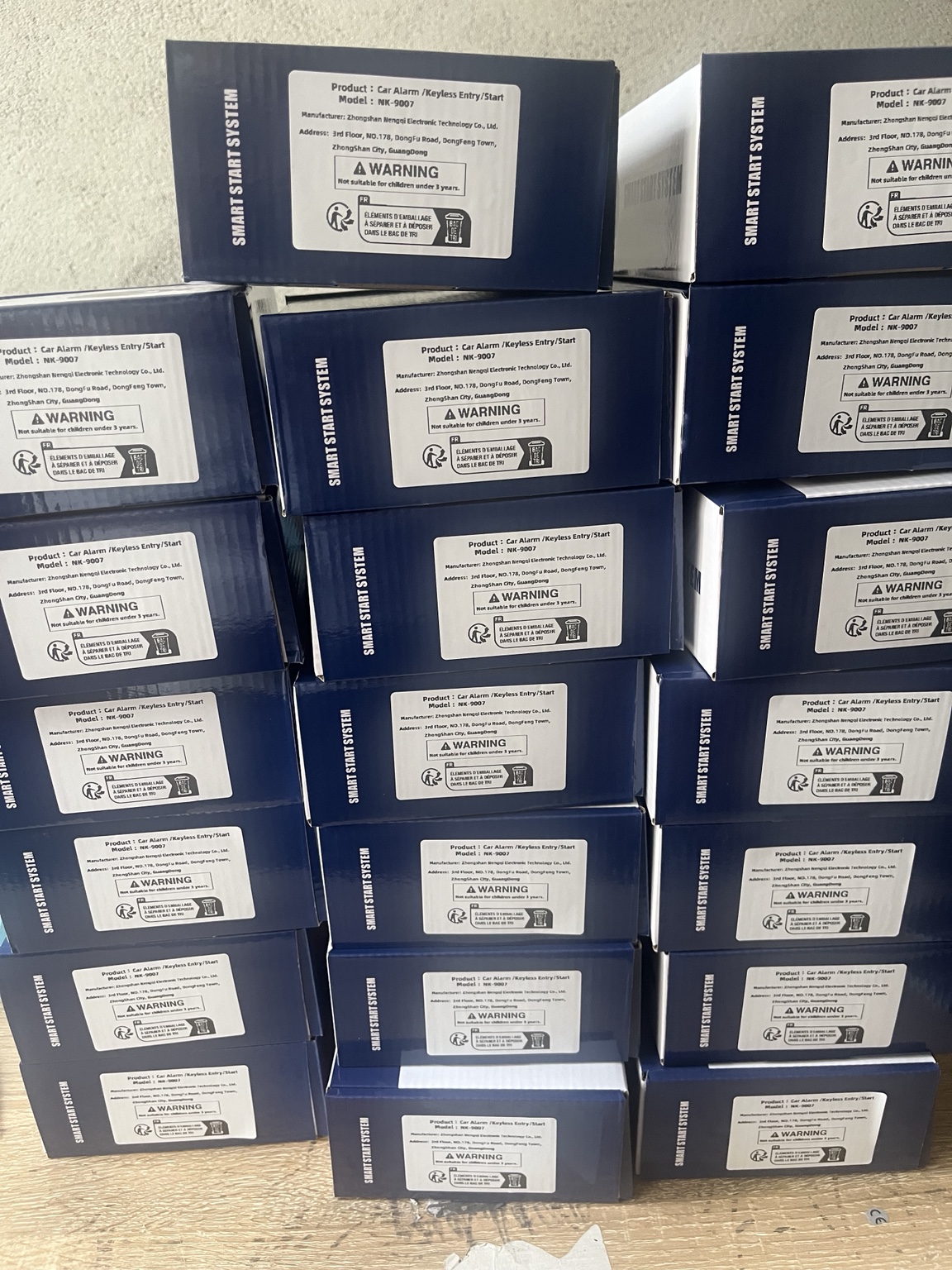
For a product like a push button start conversion kit, batch consistency also matters for channel performance. Sellers, installers, and warehouse teams all benefit when each unit is packed and presented in the same way.
Step 4: Master Carton Packing and Shipment Handoff
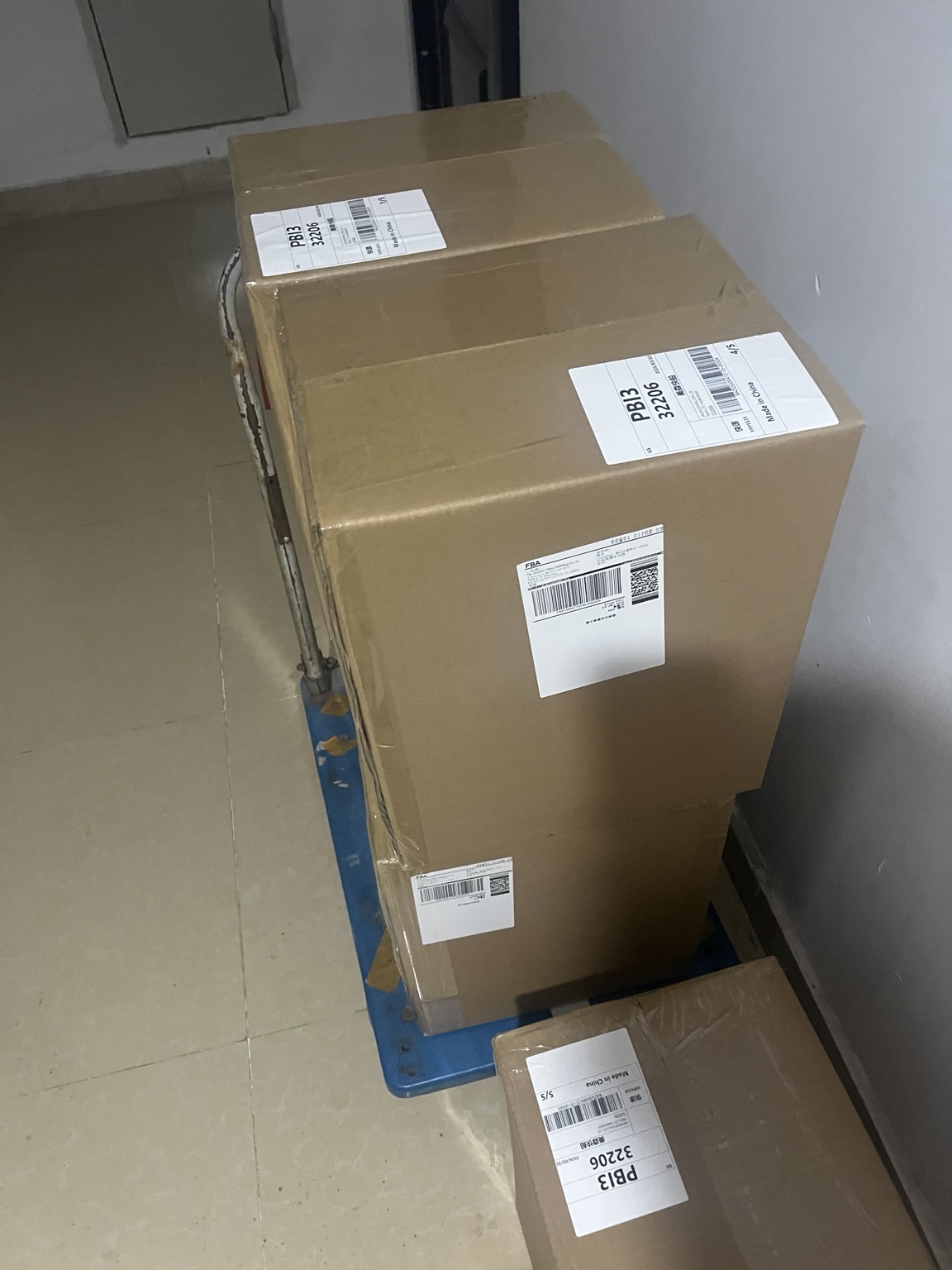
After retail units are grouped, they move into master cartons for outbound shipping. This is the stage where the products stop looking like inventory and start looking like a shipment.
Master cartons protect multiple retail units together and make handling easier during transport. They also create the bridge between internal stock and external delivery, whether the destination is a local warehouse, a fulfillment center, or a distribution point.
Why Customers Care About This More Than They Think
Most buyers do not search for “how a push button start kit is boxed,” but they feel the results of that process immediately. When a shipment arrives organized, complete, and clean, it creates confidence before installation even begins.
That confidence matters especially for products like:
- aftermarket push button start systems
- keyless entry start kits for older cars
- car alarm with remote start and smart ignition upgrades
- Amazon FBA auto electronics inventory shipments
In other words, good shipping supports good installation. The installer opens the box in a better mindset. The reseller receives cleaner inventory. The end customer sees a more trustworthy product from the first touch.
What These Photos Represent
Taken together, the images in this post show the full story of an outbound product cycle:
- The real in-car result after installation
- The core product set that needs protection
- Retail-box preparation
- Label and package consistency
- Batch organization before dispatch
- Master-carton shipping readiness
That is the practical side of EFHIPS smart start system shipping. It is not flashy, but it is one of the reasons a product reaches the customer in a condition that supports a better installation and ownership experience.
Final Thoughts
When people talk about automotive upgrades, they usually focus on the moment the button lights up and the vehicle starts. That moment absolutely matters. But behind it is a quieter process: component checks, box preparation, batch organization, and shipment handling.
For us, introducing our product shipment process is really a way of showing how we think about the product itself. The goal is simple: ship every EFHIPS smart start system in a way that protects the product, supports the installer, and reflects the value of the upgrade inside the box.
Ready to Upgrade Your Vehicle?
Explore EFHIPS smart start systems for older cars, trucks, and daily drivers looking for a cleaner, more modern starting experience.
Browse Push Start Systems →or contact our team for compatibility advice
Related Reading
- EFHIPS PKE Alarm & Push Start System – Installation Manual
- Push Button Start Kit for Older Cars: Installation, Wiring, Remote Start and Keyless Entry Guide
- Push Button Start Not Working? 12 Common Causes and How to Diagnose Them
- From Metal Key to Modern Daily Driver: A Complete Older-Car Upgrade Roadmap